Key Takeaways: Creator Economy
- Creators build online communities and influence buying decisions.
- They earn income by sharing digital content on platforms like Instagram, YouTube, and TikTok.
- Creators make money through ads, sponsorships, brand deals, and fan support.
- Direct fan relationships and community engagement drive trust and growth.
- Brand partnerships with creators help reach targeted audiences and boost sales.
You are scrolling through Instagram when you come across a reel comparing nude lip shade of two different makeup brands. In another instance, you come across a man describing his experience of using a Philips trimmer on TikTok.
What you are witnessing is not mere videos but an essential part of what we call the “creator economy”. Such personalized and nuanced reviews or insights blended are exactly what today’s consumers want.
Creators are no longer just content producers. They are community builders with influence far more than most brands could ever have with traditional marketing.
In this blog, we will dissect the creator economy for you and understand why it’s becoming a thriving economic model in today’s times.
Who is a Creator?
A creator is a person who creates and distributes digital content, such as videos, blogs, or podcasts, to build an audience and generate income. They generally utilize digital platforms, such as websites or social media platforms like YouTube, Instagram, or even TikTok, as their distribution channels.
Moreover, technological advancements have widened the scope of the creator economy with the introduction of AI creators. It is a digital persona made using an artificial intelligence system to mimic a human creator.
Some examples of AI creators include:
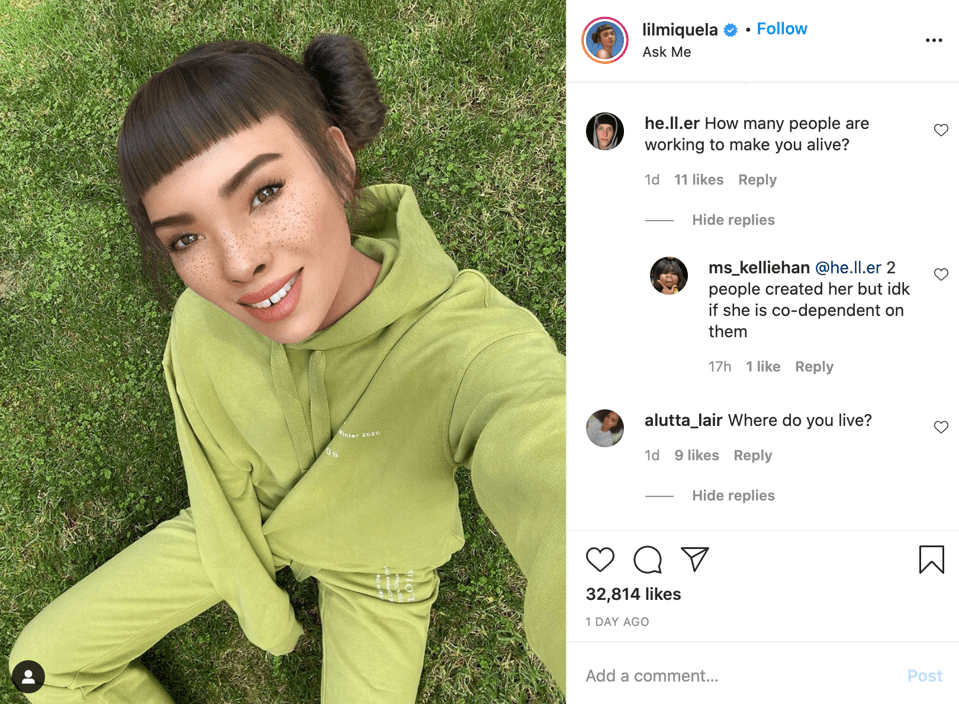
1. Lil Miquela
- Launched in 2016
- Conceptualized and created by Brud (now acquired by Dapper Labs)
- 2M followers on Instagram
- Collaborated with high-end brands like Calvin Klein and Prada.
2. Kizuna AI
- Japan-based social media influencer (first virtual YouTuber)
- 3.07M subscribers on YouTube
- Launched in 2016
Quick Recap
A creator is an individual who creates written/graphic/video content across social media platforms to build a loyal following and generate income. An AI creator is a digital persona made using an artificial intelligence system to mimic a human creator.
What Does a Creator Do?
There’s more to a creator than what meets the eye; creating content is just a part of the whole process. A creator fosters a well-engaged community through its content.
It is significant because they can influence their followers’ opinions, actions, and purchasing decisions due to their trustworthiness, knowledge, sincerity, and relatability.
Here’s a quick breakdown of what a creator does:
- Content creation: Producing original content in the form of blogs, videos, podcasts, photos, or static visuals centered around a topic of their expertise
- Engagement: Fostering a community-like feeling among their following through constant and meaningful interaction via comments, likes, messages, or livestreams
- Promotion: Collaborate with brands and other influencers/creators to promote products/services or campaigns, using their credibility and reach to engage the right audience
Quick Recap
Apart from creating content on various platforms around their niche, creators also foster community-like feeling among their followers, and collaborate with brands for generating revenue.
What is the Creator Economy? (Creator Economy Meaning)
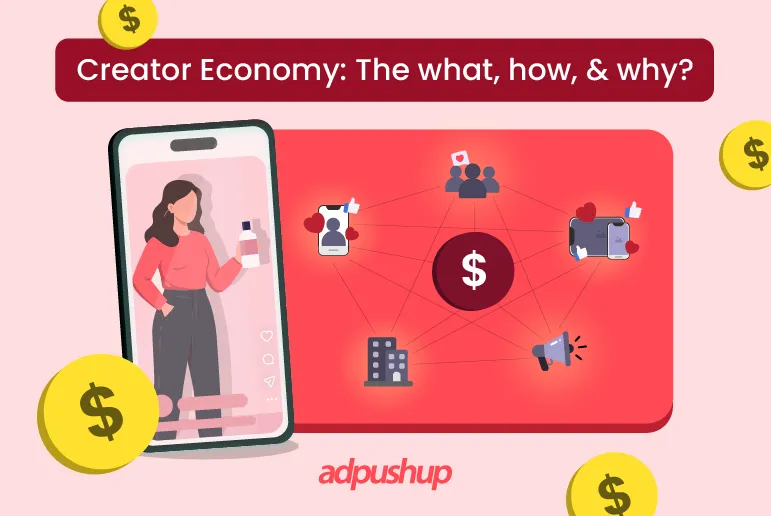
The creator economy is an economic ecosystem that includes creators, audiences, digital platforms, marketers, and agencies that interact through the exchange of content, money, or commodities and services.
The creators use digital platforms to turn their skills, talents, and passions into income. It represents a shift away from traditional jobs toward more flexible, creative, and entrepreneurial ways of working.
Now that we have covered the basic jargon, let’s understand what qualities make a content producer a creator.
What makes them a Creator?
A creator encompasses three characteristics that make them a “creator”:
- Expertise: Influencers are generally well-versed in their niche and are also abreast of the latest trends in the industry.
- Authenticity: Successful influencers are recognized for their genuineness, since they frequently share their personal experiences, stories, and insights that make them approachable to their audience.
- Entertainment: Their content is a perfect amalgamation of value and entertainment, which keeps their audience engaged and coming back for more.
What are the Characteristics of the Creator Economy?
One has to understand that creators are more than a mere marketing channel. They are entrepreneurs, community leaders, and cultural builders.
Specific characteristics differentiate the creator economy from other types of economic models, such as:
1. Democratization of Production & Distribution
Anyone with a skill or passion can create, publish, and monetize content globally using accessible digital tools and platforms.
2. Rise of Independent Creators
Creator economy focuses on building businesses around various niches wherein the creators offer unique insights based on their expertise. They can range from YouTubers, bloggers, artists, chefs, or even educators. In simple words, anyone having expertise in their niche can become a creator.
3. Flexible & Entrepreneurial Roles
Individuals get to decide and design their career paths by choosing niches and business models that complement their personal and professional goals. Hence, offering a streak of entrepreneurship rather than fitting into the rigid corporate employment structure.
4. Diversified Monetization Models
Creator economy allows creators to create hybrid income streams that can include advertising, brand partnerships, subscriptions, crowdfunding, direct sales, digital courses, or even live events. Such flexibility allows creators to break away from the rigid salary structure that is seen in corporations.
5. Direct-to-Fan (D2F) Relationships
Creators build following by interacting directly with their audiences, often bypassing intermediaries and focusing on authenticity and engagement.
6. Continuous Growth and Adaptation
Creators utilize evolving technology (AI tools, new platforms) and adapt to competitive, rapidly changing environments to keep their focus on creativity, business ownership, and sustainability.
Quick Recap
The creator economy has 6 main characteristics that differentiates it from other economic models. These include democratization of production & distribution, independent creators, entrepreneurial nature of the role, diversified revenue models, D2F model, and continuous adaptation.
What Led to the Rise of the Creator Economy?
The rise of the creator economy is a direct result of technological advancements, shifting consumer preferences, and a growing realization of the value of original, personalized content.
According to Sprout Social’s recent study, 61% of customers trust creator recommendations more than brand promotion. Creators bring authenticity, relatability, and niche expertise to the table – the characteristics brands require to make genuine connections in a congested digital marketplace.
1. Technological Advancements
As technology advanced, high-end production equipment that would otherwise be prohibitively expensive became affordable. Smartphones started featuring high-pixel cameras, editing software became cloud-based, and easy-to-use content creation tools became more prevalent.
The ease of access to production resources has made it easy for subject matter experts or even hobbyists to create content.
2. Platform Democratization
The rise of platforms like YouTube, Instagram, and TikTok has eliminated traditional media gatekeepers, enabling direct creator-audience relationships and global reach.
Moreover, recognizing the growth of the creator economy, these digital platforms have also started providing creator-specific settings and options within their apps to make their platforms more influencer-friendly. For example, Instagram provides a separate creator mode within profiles, which comes with creator tools.
3. Monetization Innovation
The initial dependence on ad revenue gave way to diversified income: creator partnerships with brands, subscriptions, crowdfunding, merchandise, online courses, and direct sales.
Platforms such as Patreon and Substack, for example, have enabled producers to monetize their material via subscription-based models, giving them a more consistent and predictable source of income.
Similarly, sites such as Etsy and Shopify have allowed producers to sell their products directly to customers, circumventing established distribution channels.
4. Changing Consumer Habits
Gone are the days when users would read a review in newspapers or magazines and start shopping. As technology blurred the line between the buyer and the seller, consumers now want personalized information.
They want to feel as if the creator is talking to them and has tailored the content for them. At the end, amidst the media noise, users turn to creators for genuine opinions/information.
Quick Recap
Four main factors are responsible for the rise of the creator economy. These include easy availability of high-end equipment, platform democratization leading to direct creator-user relationships, innovation in monetization models, and preference for real, personalized information.
Top 3 Benefits of Creator Economy for Marketers
The creator economy is advantageous to marketers in several ways, such as:
1. Meaningful Engagement
- Authentic creator connections: Marketers collaborate with creators who have genuine relationships with their audiences, enhancing brand trust and recognition.
- Access to diverse audiences: Creators represent nearly every generation, offering marketers the ability to reach a wide range of consumers.
- Expanding categories: Fast-growing sectors like B2B and sports provide marketers with entry points to specialized communities.
- Community reach: Creators often belong to larger communities rooted in shared interests and values, allowing marketers to tap into meaningful networks.
2. Growth-Driven Collaboration
- Effective brand strategies: Creators set trends and offer direct access to engaged followers, helping brands resonate authentically.
- Creator-led brands: Early examples of creator-founded products, from consumer goods to branded apps, showcase the potential for significant sales impact.
3. Revenue Diversification
- Long-term partnerships: Brands benefit from nurturing ongoing relationships with trusted creators, fostering consistency and deeper audience engagement.
- Expanding roles: Creators are playing increasingly versatile roles in brand campaigns, product launches, and even internal teams.
Quick Recap
There are several advantages of the creator economy for marketers, such as generating meaningful engagement across meaningful communities, authenticity-driven brand collaborations, and revenue diversification.
6 Mainstream Creator Economy Platforms
1. Instagram
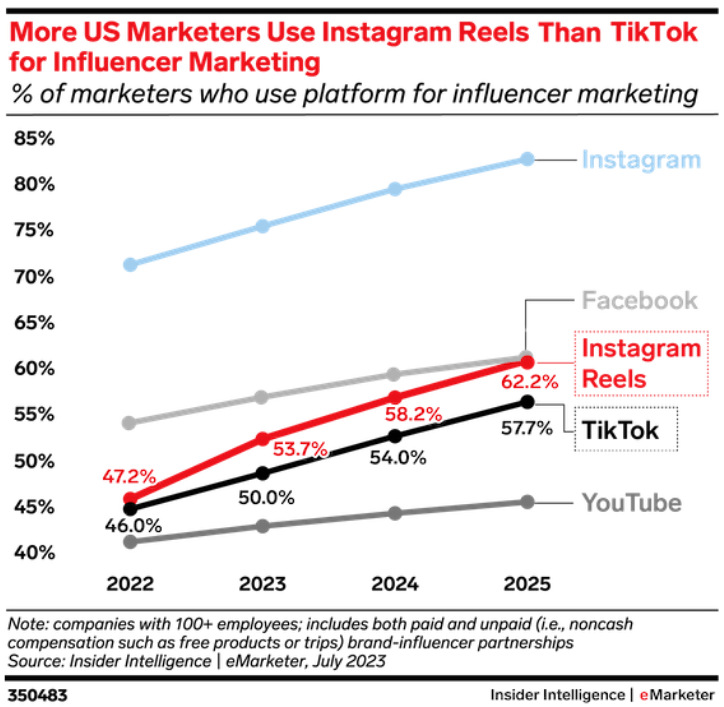
Instagram remains the top creator platform for influencers in 2025. With almost 2B monthly active users, Instagram offers an ideal platform for creators to create a community of followers for their content.
Moreover, with the introduction of reels, advanced editing, and interactive features for stories and videos, Instagram is giving tough competition to others as a creator platform.
2. TikTok
TikTok, the short-video company, is another social media platform famous for creators, especially among US-based influencers. With 170 million users, TikTok drives major marketing trends across the country. Although it’s still under a sale-or-ban law in the US, that hasn’t put a full stop to its popularity.
3. YouTube
This list is incomplete without YouTube. That platform has generally been a favorite among serious video content creators, as many famous creators, like Mr. Beast, had started their creator journey as YouTubers.
Apart from sponsorships or brand collaborations, creators can run ads within videos to generate income. For every ad view in videos, YouTube takes 45% (only for videos) of what the advertiser paid, and the creator receives the remaining 55%.
4. SnapChat
SnapChat is an underrated platform for creators to engage with Gen Z and Gen Alpha. Despite reducing its creator fund, the platform offers an unexplored potential with its ad revenue-sharing scheme, which is proving successful for many well-known creators participating in the beta test.
NOTE: Only creators with at least 50,000 followers and strong engagement metrics (e.g., 10M Snap views or 1M Spotlight views in 28 days) are currently qualifying.
5. LinkedIn
LinkedIn is another underrated yet necessary platform for creators who want to attract or engage with their audience in a professional setting. The platform has been especially beneficial for creators who cover corporate-related topics.
Well, this is quite understandable as people on a professional platform like LinkedIn would be more receptive to niches covering profession/career-related topics than on any other platform.
Moreover, by being on LinkedIn, creators get a chance to network with industry leaders who can lead to fruitful collaborations.
6. Retail Media Platforms
Many e-commerce platforms, such as Amazon, have started to come to the forefront in influencer marketing. Many well-established creators are also foraying into such platforms by joining their influencer programs (like the Amazon Influencer Program).
These platforms are ideal for scaling up the creator business because the activities here directly impact the purchasing decisions of their audience.
Quick Recap
The top platforms that have enabled the rise of creator economy/influencer marketing include Instagram, TikTok, YouTube, SnapChat, LinkedIn, and retail media platforms like Amazon.
How Big is the Creator Economy? (Creator Economy Statistics)
1. If every US-based creator shifted their brand deals to one hypothetical app, it would rank as the fourth-largest social platform in the country by brand investment, with a worth touching $10.52B. (eMarketer)
2. As per DemandSage,
- There are over 207 million content creators around the globe, with almost half of them (46.7%) working full-time.
- Over 162M people in the US identify as creators, with around 45M being professionals.
- The creator economy market size, valued at $127.65B in 2025, is projected to reach $480B by 2027 and $528B by 2030.
- 70% of the creators spend ≥ 10 hours a week creating content.
- Moreover, creators take between 6 and 6.5 months on average to earn their first dollar.
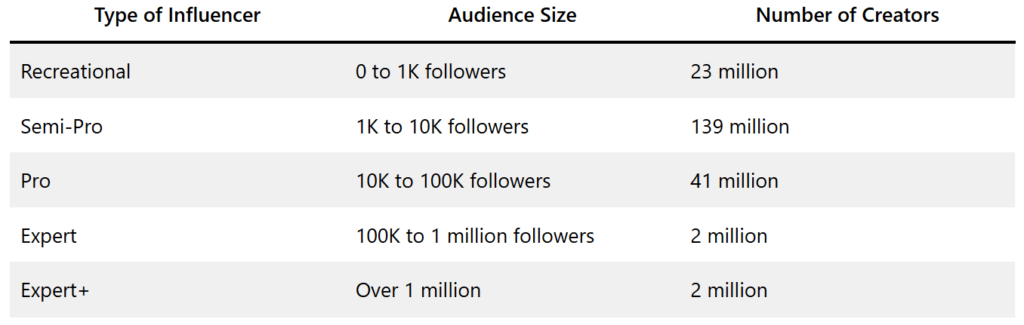
Here’s a breakdown of global content creators according to their audience size:
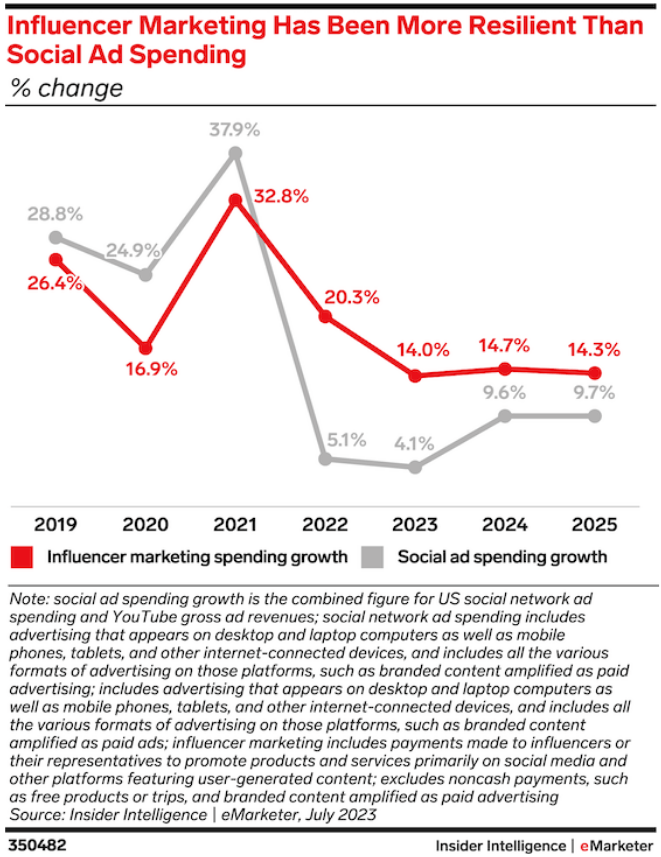
3. Moreover, the growth of creator economy/influencer marketing has been more resilient than that of social ad spending, as seen in the graph below:
Quick Recap
The creator economy is set to reach $480 billion by 2027. There are 270 million creators around the world with 162 million creators being in the US alone. 70% of the creators spend ≥ 10 hours a week creating content, and take 6-6.5 months to earn their first dollar.
FAQs on Creator Economy
It is a direct-to-fan economic model where digital platform users create content (blogs, images, videos, art, podcasts, etc) in their chosen field using these platforms for monetization. However, unlike other monetization models, the creator economy works on creating a fan-based community to promote their content and utilize their influence to generate income.
The creator economy is attracting increased advertising budgets, with U.S. brands projected to spend $13.7 billion on influencer marketing by 2027, according to eMarketer.
The creator economy is also known as the influencer economy.