

“Native video ads don’t interrupt, they intrigue.” Native video ads are designed to blend subtly with the content, making them non-intrusive and engaging for the viewers. Learn how native ads differ from traditional ads, the types of native ads, and more.
Native video ads are the kind of ads that don’t feel like ads at all. Native video ads are a form of paid media designed to fit with the content on a website or an app. These ads feel natural and less intrusive than other standard ads.
Native ads are the right approach if users keep skipping and blocking the ads on your platform. The click-through rate (CTR) for native ads is recorded to be 0.16% on websites and 0.38% on apps; in comparison, traditional banner ads have a CTR of 0.11% on average.
However, to create a solid ad strategy, every publisher and advertiser needs to understand beyond what “native advertising”. In this blog, we’ll walk through why publishers are picking them over traditional ads, six types of native advertising you should know, real-life examples, and the latest trends you can’t miss.
What is Native Video Advertising Exactly?
Native video advertising is a form of video ads, where the ads match the look and feel of the platform. Through native ads, publishers can integrate ads seamlessly into the platform’s content, making these ads non-disruptive in terms of user experience.
Often labelled as “sponsored content”, native video ads are one of the most popular ad formats among social media users, with the main goal of delivering promotional messages in a non-intrusive manner.
Crucially, native video ads focus more on education and entertainment, being research-based and storytelling-oriented rather than product-centric or sales-focused. This unique combination makes them more engaging and shareable among viewers.
6 Native Video Ad Formats You Should Know
Native ads offer many creative options for publishers and advertisers to connect with users. These ad formats are not one-size-fits-all; they are highly dependent on many factors, such as different platforms, campaign goals, and viewer behaviours etc.
Let’s explore the various styles that make native video ads both engaging and effective.
- Pre-Roll Video Ads
Pre-roll video ads pop up before users consume any video on the streaming platforms. These short video ads can appear in the beginning (pre-roll), in the middle (mid-roll) or at the end of the video (post-roll).
Best Practices: Make sure that the ad is not longer than 10 seconds, and it includes a skip or close button after 5 seconds to avoid ad fatigue.
- In-article ads
Commonly placed inside an article or blog post, in-article ads are more likely to be seen by viewers. These ads are responsive in terms of design, i.e. they can adjust to fit seamlessly with the content that the user is browsing through.
Best Practices: The ad should match the theme and format of the article. Second, make sure that the ad is loading smoothly and is optimised for all platforms, such as websites or apps.
- In-game ads
Also known as rewarded ads or in-app ads, the in-game ads are built to engage users without using any intrusive methods. Users normally opt-in to watch these ads in exchange for some rewards instead of in-app purchases. For example, playable ads are a type of in-game ad where users can play a demo version of a game or try a feature of the product that is being promoted.
Best Practices: Make the ad fun to engage without any confusing instructions. Try to add a clear call to action (CTA)
- Outstream ads
Outstream ads allow publisher to place video ads on their website despite not having any video content on their website. These ads appear between paragraphs of articles or blogs in a pop-up window.
Best Practices: Trigger autoplay on mute while placing the ads so it does not disturb the user’s browsing experience.
- In-feed ads
As the name suggests, in-feed ads commonly appear right in the user’s social media feed, on platforms like Facebook, X, Instagram, or YouTube. They appear as regular posts but are often labelled as Sponsored or AD. Their non-disruptive nature allows users to engage with the ad naturally.
Best Practices: With in-feed ads, the first impression matters the most; the ad should be compelling enough to grab the user’s attention in the first 5 seconds. Keeping the ads mobile-friendly allows the user to take further action easily and can often lead to better click-through rates.
- Search Video Ads
Ads that show up in search results on streaming platforms like Youtube, are known as search video ads. These ads are highly relevant and contextual because they match users’ search keywords. For instance, if you search for the best running shoes on YouTube, you might see a few sponsored video ads from various brands like Nike, Reebok, and many more brands, along with various videos from creators.
Best Practices: Try to match keywords very precisely; you can add them in the title, description and tags to align with the user’s searched keywords.
5 Major Statistics Around Native Advertising
- According to meetanshi.com :
- The global market for native ads is predicted to go over $650 billion by 2032.
- The U.S. alone hit $52.75 billion in 2020, and by 2025, advertisers are expected to spend $145 billion.
- When it comes to ads, 68% users trust native ads on editorial sites, while only 55% users find native ads clickable on social media.
- As compared to banner ads, native ads can uplift user purchasing intentions by 18% and brand responsiveness by 9%
In 2022, native ads covered 56% of total ad spending for video advertising in the US
How Native Video Advertising Works?
Using native video ads is simpler for engaging your audience compared to other methods. Brands need to fit the ad creatives into the platform in such a way that they match the look and feel of the platform. But what goes behind this generic statement? Let’s explore:
- Brands that seamlessly fit into this space and capture users’ attention have an advantage over disruptive video ads.
- Specific platforms prioritize native video through algorithm modifications. If you’re not using native video, your ad might be pushed down the queue in favour of native ads.
- Native video ads are called “native” because they are formatted for the hosting platform, blending in with other content. These ads, when well-executed, are promotional, engaging, and highly targeted when leveraging relevant data for campaign setup.
- Native advertising is gaining influence due to its high engagement and non-disruptive nature. Many experts predict it is the future of advertising.
- Native video ads can be placed on various social networks (X, Facebook, Instagram, Pinterest), video platforms (YouTube), and content discovery networks (Taboola, Outbrain). They are typically click-to-play or auto play (muted) and are at least 30 seconds.
Why are Publishers Choosing Native Advertising?
Publishers can leverage native video ads to their advantage in a multitude of ways. Here’s how:
Higher CPMs
Compared to traditional display ads, native ads typically give rise to higher cost-per-thousand (CPM) rates, meaning publishers earn more per thousand impressions.
Improved User Engagement
Native video ads are less intrusive and more engaging than traditional ads, leading to higher viewership and completion rates. It can translate to increased ad revenue through longer viewing times and potential click-throughs.
Non-disruptive Content
Native video ads seamlessly blend into the publisher’s content, offering a more positive user experience compared to banner ads or pre-roll videos.
Content Diversification
Publishers can integrate these ads within their content, offering variety and potentially attracting a wider audience.
Targeted Advertising
Native video platforms allow publishers to target ads to specific demographics and interests, attracting new audiences relevant to their content.
Data-driven Insights
Publishers can gain valuable insights into user behaviour and preferences through native video ad analytics, enabling them to tailor their content and advertising strategies accordingly.
Improved Brand Reputation
Next, associating with relevant and engaging video content can enhance a publisher’s brand image and credibility.
Boosted SEO
Some search engines favour websites with engaging video content, potentially improving a publisher’s search ranking.
Flexibility and Creativity
Native ads come in various formats, allowing publishers to experiment with different storytelling techniques and content types.
Real-Life Examples of Native Video Ads
Here are some of the most famous native video ad examples, each showcasing the power of this format to capture attention and engage audiences:
BuzzFeed Tasty

In this campaign, visually appealing recipe videos took the internet by storm, seamlessly blending sponsored content with BuzzFeed’s signature listicles and quizzes. The focus on simple, delicious recipes, often shot in a first-person POV, made them incredibly watchable and relatable.
GoPro
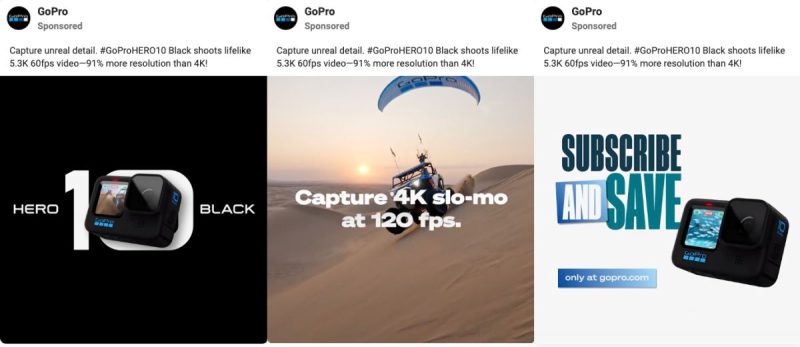
GoPro knows how to leverage its action cameras to create stunning visuals, and its native video ads are no exception. They often feature breathtaking stunts and activities, showcasing the capabilities of their cameras while inspiring viewers to capture their adventures.
Asana
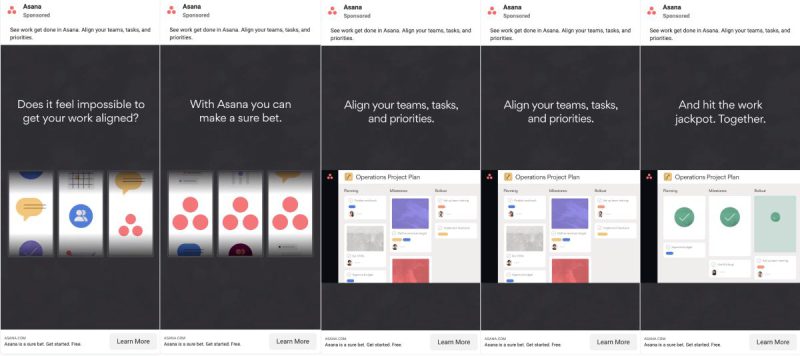
Asana posted various video ads that appeared in Facebook feeds, using humour and relatable situations to demonstrate the challenges of managing multiple tasks and how Asana’s project management tool can help. The native format and engaging animation made it stand out from traditional text-based ads.
Spotify “Wrapped”
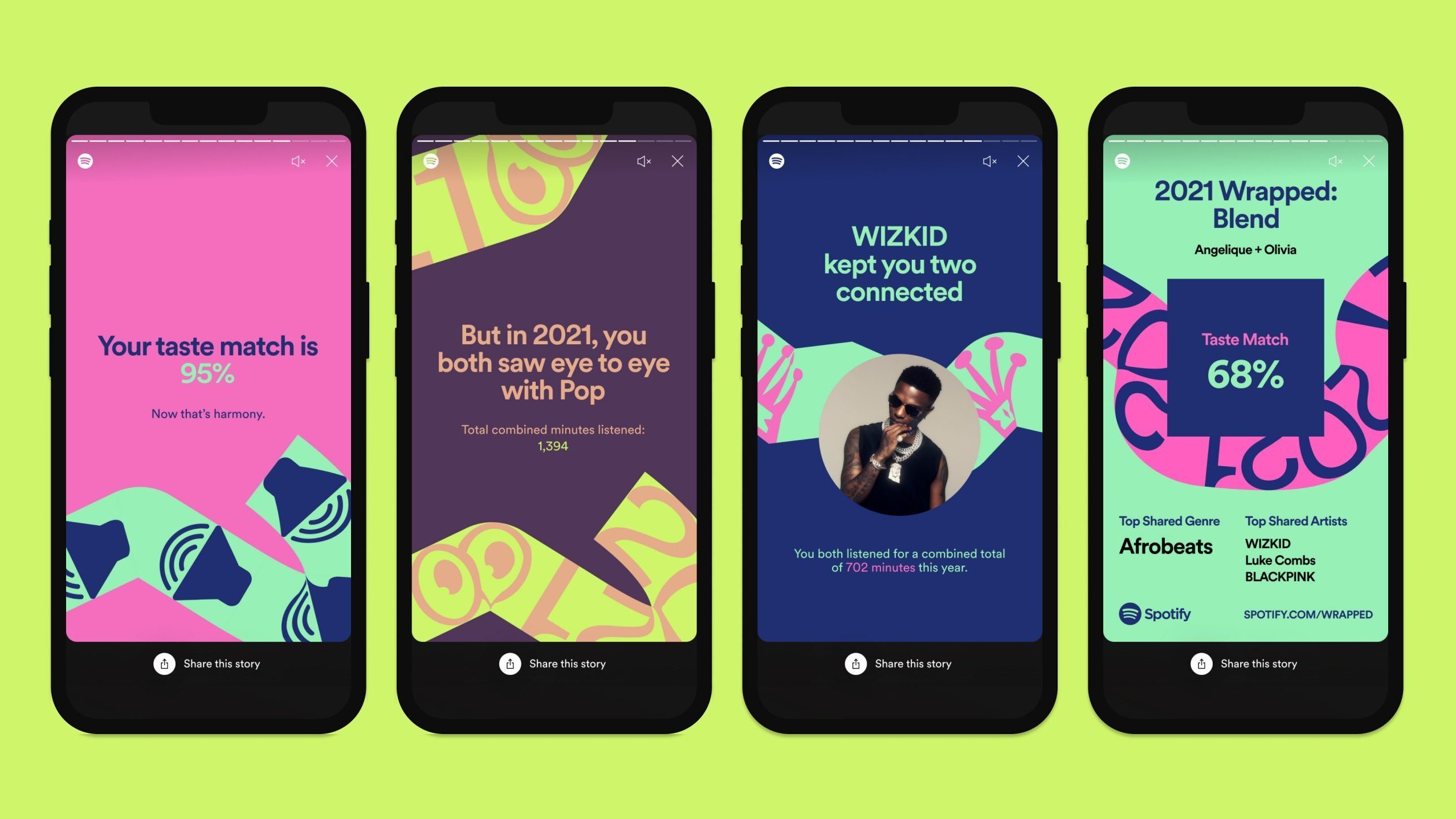
Each year, Spotify’s “Wrapped” campaign generates immense buzz with personalised videos that recap users’ listening habits. These native video ads appear in users’ Spotify feeds and on social media, creating a sense of exclusivity and community around music preferences.
Mailchimp
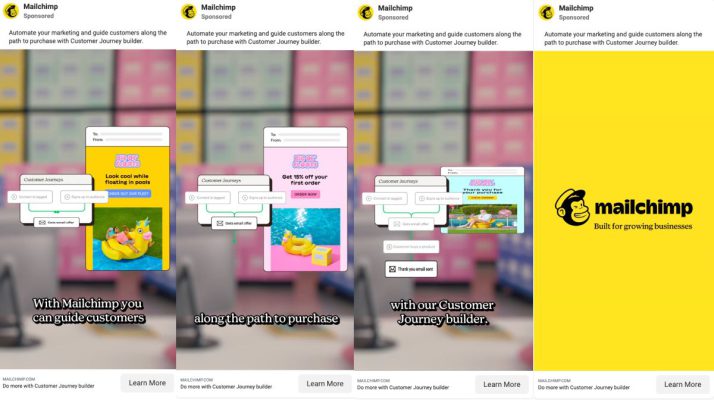
Mailchimp often uses native ads to build brand awareness and demonstrate product capabilities, like how its Customer Journey Builder works. This platform use sponsored content and partnerships to place its brand in contexts where it would resonate with its target audience.
Native ads vs traditional ads
How to reach the audience without being blocked, skipped, or ignored? Every publisher faces this challenge while running an ad campaign. That’s where native video ads and display ads come into the picture; by understanding these ad formats, publishers can effectively improve their ad strategy and promote the messaging that stands out. Let’s explore native ads vs display ads.
| Feature | Native Ads | Display Ads |
| Format & Design | Matches the platform’s look and feel; blends with content | Visually distinct; often banner-style or graphic-heavy |
| User Experience | Seamless and non-intrusive; feels like regular content | Interruptive and easy to recognize as an ad |
| Engagement | Higher engagement and click-through rates | Lower engagement; often ignored due to “banner blindness” |
| Trust Level | Builds trust by appearing native to the platform | Can feel promotional or pushy; less trusted |
| Ad Recall | Users remember the content more easily | Ad recall is generally lower |
| Performance Metrics | Measures brand lift, time spent, and interaction quality | Focuses on impressions and click-through rates |
| Platform Support | Common on social media, news sites, and content platforms | Found across websites and apps via ad networks |
| Ad Spend Efficiency | More cost-effective when targeting high-quality engagement | It may be cheaper per impression, but lower ROI |
As the audience is fatigued by intrusive ads and wants a more authentic ad experience, it’s all about speaking smartly with the right audience.
Trends in Native Advertising You Need to Know
As discussed above, native advertising is increasing at a fast pace. Their less intrusive nature integrates seamlessly with the user’s browsing experience across any channel the ad is being displayed. The endless appetite for upgrading ad tech is opening many opportunities for native advertising in 2025. Let’s have a look at emerging trends for native advertising:
- Flexible ad formats are a must in adtech and native advertising, and following these bylaws is known to blend perfectly with the content across screens, platforms, and other ad formats. The omnichannel nature of native video ads allows them to engage users on any platform or channel, i.e., whether they are scrolling on mobile, streaming on CTV, or using any app that has ads without causing any disruption.
- Automation is the future of adtech; instead of manually placing creatives, advertisers can automate ad delivery across mobile apps and websites. With automation becoming a new habit, native advertising can offer extended reach, real-time optimization, and more revenue for publishers and advertisers.
- Digital Out-of-Home (DOOH) and Connected TV (CTV) are the most trendy and fastest-growing programmatic platforms. DOOH as a platform allows native ads to appear on billboards, screens, and other digital displays in public spaces. CTV, on the other hand, enables video ads in the form of in-stream ads that appear during a broadcast of a show on TV, most probably. It can be recommendations for the next show, apps, or products that fit the user’s interests and browsing habits.
- YouTube Shorts, Instagram stories, and many other video formats are welcoming native video ads into their ad strategy. With the global trend climbing towards $229.8 billion by 2027, even small brands are using these formats to promote their products. Native video ads provide awareness, engagement, and action all in one format.
- Integrating creative generation tools with AI and machine learning is allowing publishers to create algorithms that can generate ads using user behaviour, adjust bids according to the ad budget, and make personalised creatives to maximize ad revenue.
- Sponsored posts are the newest ground that many publishers and advertisers are keen to explore. This approach builds trust and brand recall without any flashy pop-ups, driving away users from the platform. Sponsored posts are educational, authentic, and subtly persuasive.
Key Takeaways
- Native video ads make ads feel like a natural part of the platform and content. As a non-disruptive approach, native advertising offers a better user experience and higher engagement compared to some of the traditional ad formats.
- These video ads have higher CTR (click-through-rates): 0.16% on websites and 0.38% on mobile apps. On the other hand, traditional banner ads have an average of 0.11%.
- Another amazing fact about native video ads is that these ads can increase user purchase intent by 18% and brand responsiveness by 9%
- Publishers are choosing native video ads because they offer higher cost-per-thousand (CPM) rates, improved user engagement, and a non-disruptive user experience.
- Native video advertising is not a single format. It includes a variety of options such as pre-roll, mid-roll, and post-roll ads on platforms like YouTube; in-article ads that appear within a blog post; in-game ads (rewarded ads) in apps; outstream ads that pop up in a separate window between paragraphs; in-feed ads on social media; and search video ads.
- The global native advertising market is predicted to exceed $650 billion by 2032, and native video ads accounted for 56% of total video ad spending in the U.S. in 2022.
- The native advertising is evolving with several key trends, including the use of flexible, omnichannel formats; increased automation for ads, growth in platforms like Digital Out-of-Home (DOOH) and Connected TV (CTV); and the integration of AI and machine learning.
Glossary
- CPM (Cost-per-mille): A metric in advertising that stands for “cost per thousand” impressions. It is the amount an advertiser pays for one thousand views or impressions of an ad. Higher CPMs mean more revenue for the publisher.
- CTR (Click-through rate): A measure of the success of an ad campaign, calculated as the ratio of users who click on a specific ad to the number of total users who view the ad. It is a key indicator of an ad’s effectiveness.
- DOOH (Digital Out-of-Home): DDOH advertising use digital displays in public spaces, such as billboards and screens. They deliver native ads; tailored to blend with their environment.
- CTV (Connected TV): CTV connects user with the internet to stream content. It enables the delivery of video ads that are integrated into a program broadcast.
- Omnichannel: An approach in advertising that provides a seamless and integrated experience for users across multiple channels and devices, such as mobile, CTV, and websites, ensuring a consistent and non-disruptive ad experience.
Frequently Asked Questions: Native Video Ads
Native video ads are designed to seamlessly integrate with the content a user is already engaging with. Whether someone’s scrolling through a mobile app, browsing a desktop site, or tapping through articles on mobile web, native ads feel like a seamless part of the journey.
A native ad might be a sponsored article on a news website that looks like the site’s regular content. It shares helpful tips or a story but is paid for by a brand. It blends in with the page, so it feels natural, not like a loud or flashy ad.
Native ads come in different forms designed to seamlessly fit into the platform they’re on. Examples include in-feed ads within a content feed, sponsored content mimicking a publisher’s material, recommendation widgets suggesting related items, and promoted listings commonly seen on e-commerce sites. What ties these together is their knack for blending in, ensuring a smooth user experience while conveying promotional messages.